SEE EUROPE THROUGH ART.
European art connects centuries of artists, movements, museums, architecture, cities, and cultural ideas. Discover how European painting, sculpture, and design shaped our visual world.
Where Should You Begin?
European art history can seem vast and intimidating. Here is how the pieces connect together so you can start exploring with confidence.
Start with a Question That Sparks Your Curiosity
European art is not just a list of names and dates. It is an ongoing conversation between generations of thinkers, painters, and sculptors across different regions.
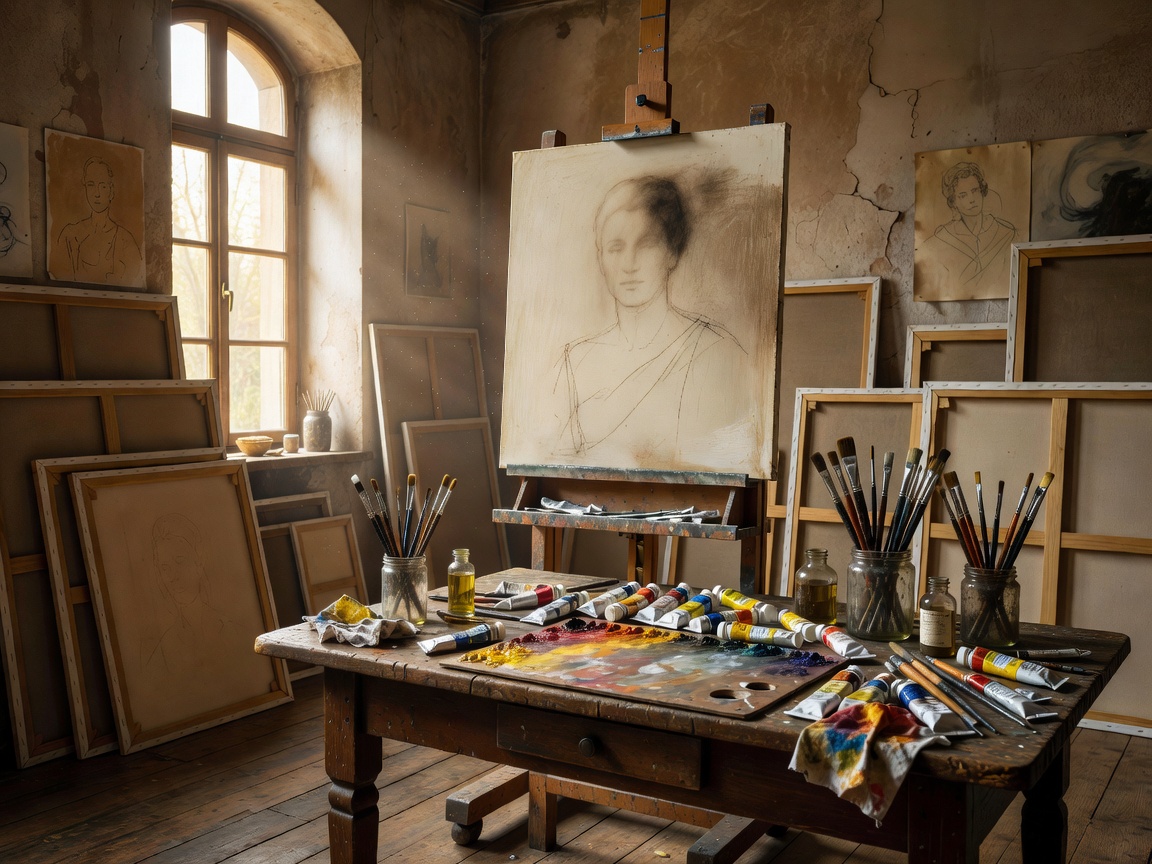
If you are curious about human stories and personal style, start with individual artists. Seeing how Rembrandt handled light or how Vincent van Gogh applied thick paint helps you connect directly with the artist's mind.
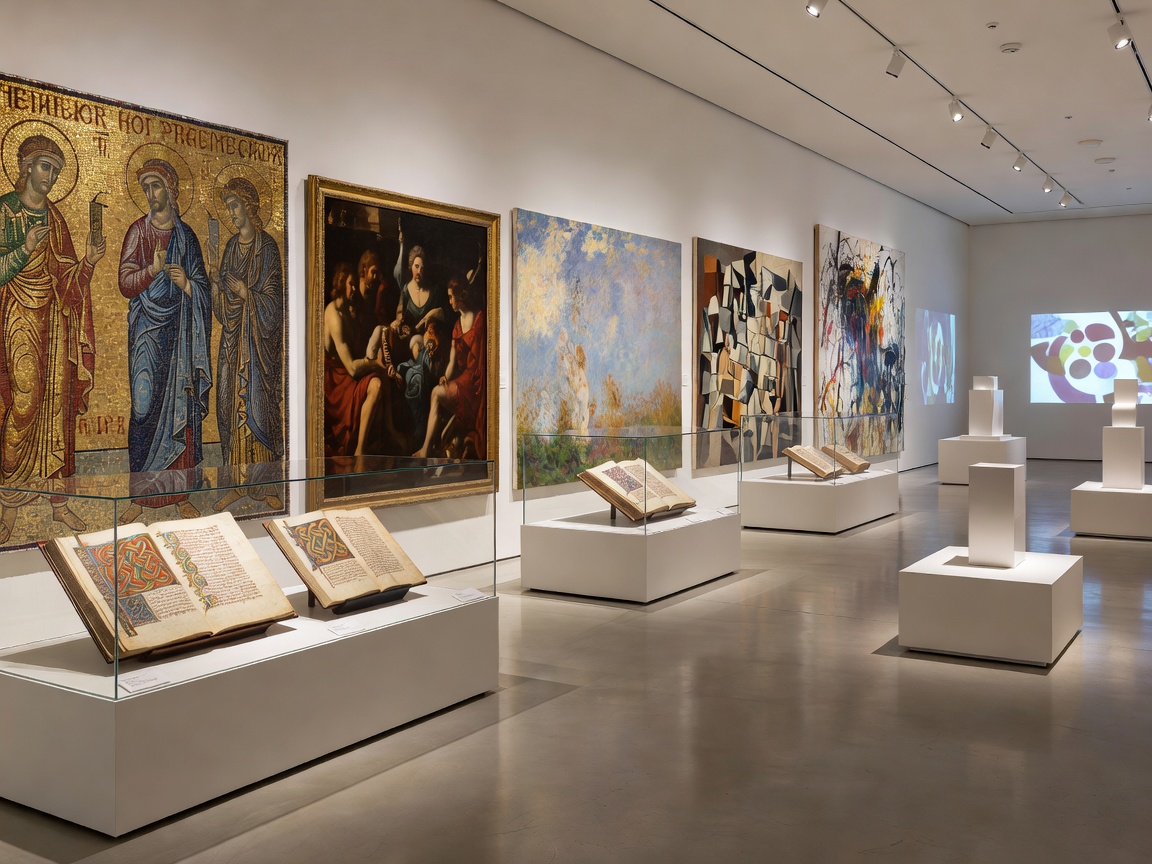
If you want to understand how culture shifts over centuries, explore art movements. An art movement explains why groups of artists shared similar ideas during a specific period. For example, Impressionists moved outdoors to capture natural daylight, reacting against traditional studio formulas.
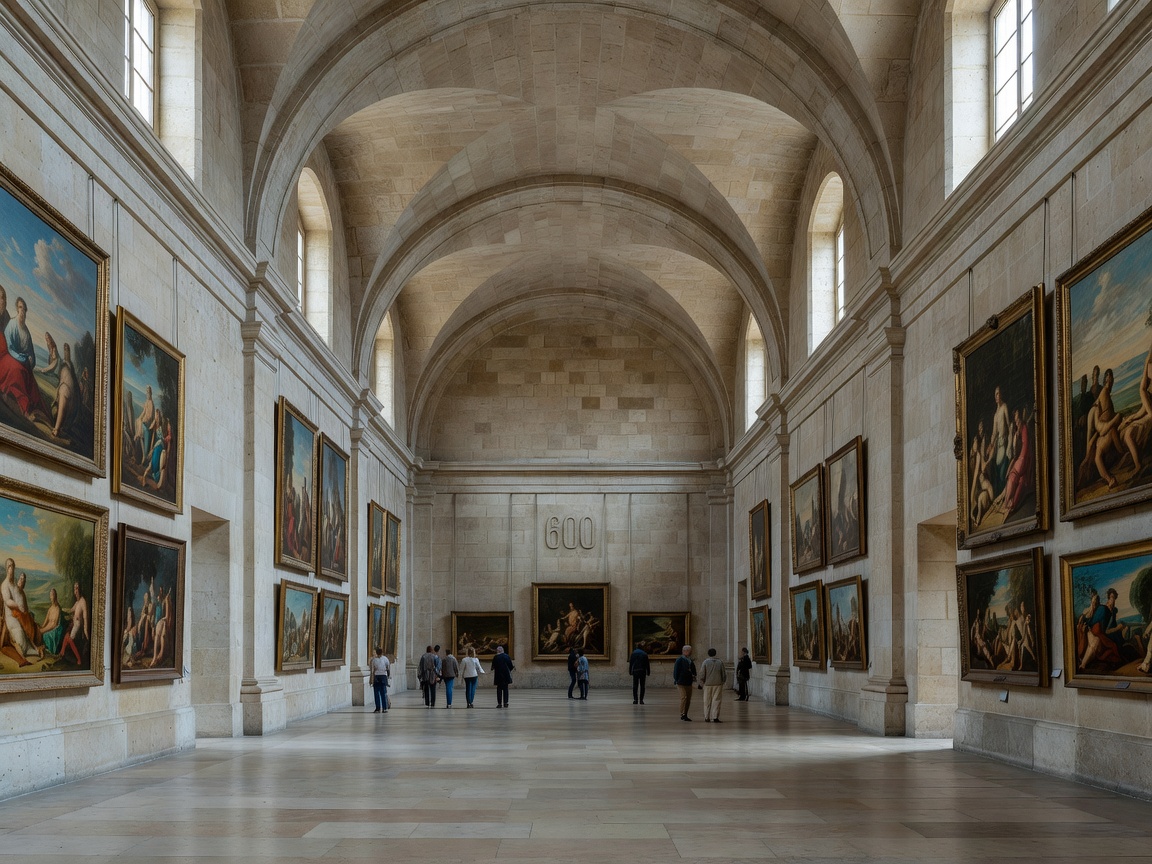
If you prefer architecture, ambiance, and curated storytelling, turn to museums and galleries. Walking through the Uffizi in Florence or the Rijksmuseum in Amsterdam allows you to see artworks in their grand historic contexts.
How Artists, Movements, and Cities Connect
Artistic breakthroughs did not happen in isolation. They formed around lively cultural hubs. During the 15th century, Florence became the cradle of the Renaissance because civic wealth, classical philosophy, and workshop traditions converged.
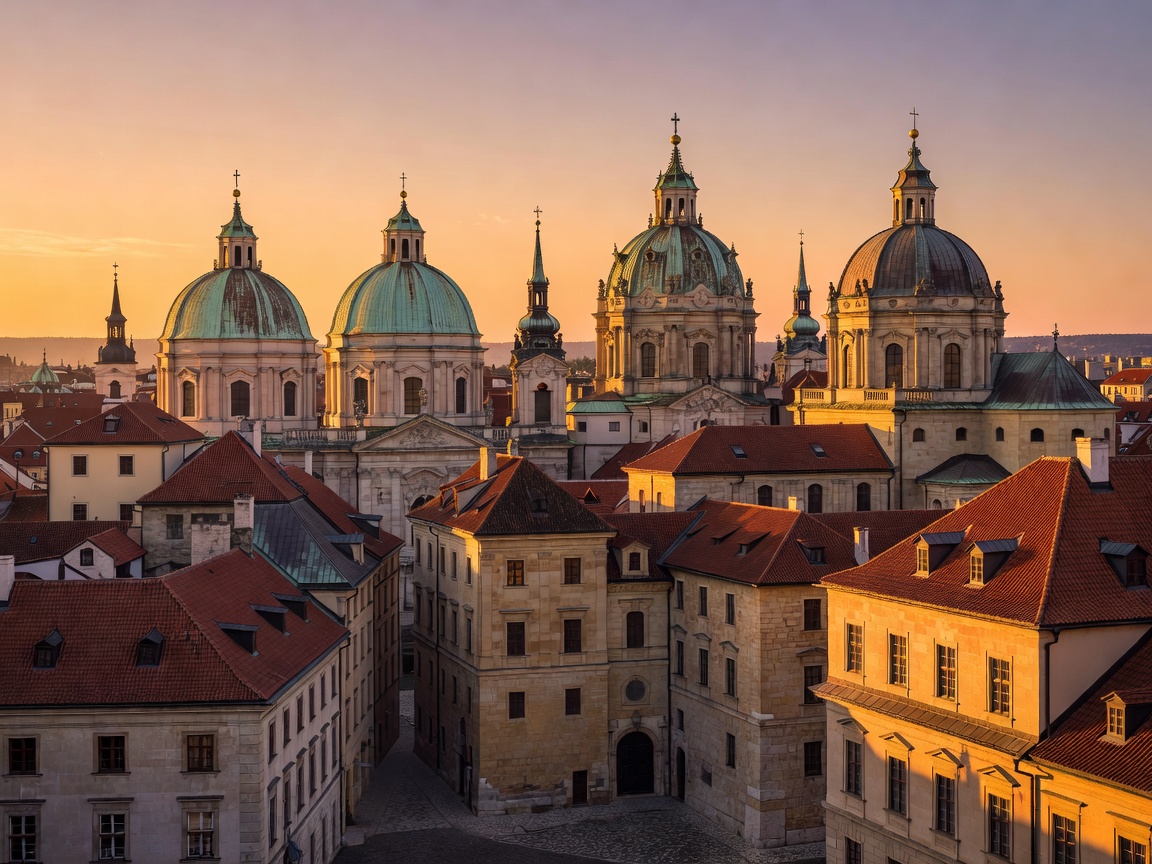
Four centuries later, Paris became the capital of the 19th-century avant-garde because artists from across Europe arrived to paint its modern boulevards, cafes, and riverbanks. By exploring both the city and the movement, you gain a complete picture of why an artwork looks the way it does.
Major European Art Coordinates
Key historical hubs that shaped European visual traditions over the last six centuries.
Florence & Rome
The epicenters of classical humanism, Renaissance frescoes, and dramatic Baroque architecture. Home to Michelangelo, Raphael, and Caravaggio.
Explore Italian Cities →Paris & Amsterdam
From 17th-century Dutch domestic intimacy to 19th-century Parisian Impressionism and 20th-century Cubism. The defining centers of European modern painting.
Explore Flagship Museums →Vienna & Berlin
The birthplaces of the Vienna Secession, Expressionism, and radical Modernist design. Defined by Gustav Klimt, Egon Schiele, and the Bauhaus movement.
View Central European Routes →